
Noma(s)
#200 a decade of intrigue
Here is a story of encounters. There is no inherent meaning to any of it (is there ever?), but perhaps something will come of it.
I don’t know when I became aware of fine dining.
The first real taste I had was Maido in Lima, Peru in 2018. That started a journey. Not one to try all the restaurants on lists or with awards or anything, but a journey into myself and to explore more food. I had already started broadening my horizons on food (I had been a picky eater as a kid) but I was less likely to search out people who were experimenting or, on the opposite side of the spectrum, iterating on something that had been done for hundreds if not thousands of years.
While I had not tried fine dining before, I had thought about it — though I had never been willing to pay for it. In 2016, I was in Copenhagen and came across Noma, then the #1 restaurant in the world by most accounts. I think I had seen it on Netflix or something like that. I was intrigued and tried to walk in (something doable if you’re solo….sometimes). It was closed that day but I made a reservation request. Unfortunately, the reservation landed after my return flight and I was unable to go.
I haven’t been back to Copenhagen since and now it looks like my chances to have it, as it was, are gone. Noma has been in the news lately for suspected abuse from its head chef. I haven’t looked into it much, but the stuff he apparently did (that I saw) is what you expect from high-level chefs — except in the sense that there is a lot of kitchen-oriented media.
The point is that I can’t go back in time. It may iterate but it will be under creative direction. Even if they retain their 3 Michelin stars, it will be different.
This leads me to this week, when I was watching The Bear, and the lead mentions he only retained 3 stars, not earned them. One nod to the past.
(Minor spoiler) The second nod comes when they send one of the chefs to Copenhagen to learn and he visits Noma — something that made sense at the time but unlikely in the current climate.
That’s kind of where the story ends, nothingburger, right? I did warn you. I still would go. It’s not my business if the chef and or chefs are unhappy, that’s their choice. Call me morally gray or worse even but I think that’s true. Though he has allegedly resigned already. Is Noma no mas?
One additional connection is that my girlfriend was watching The Dropout which features a pretty stacked cast including Ebon Moss-Bachrach, who I’ve never heard of before but recognize as Richie from The Bear. This guy (below).
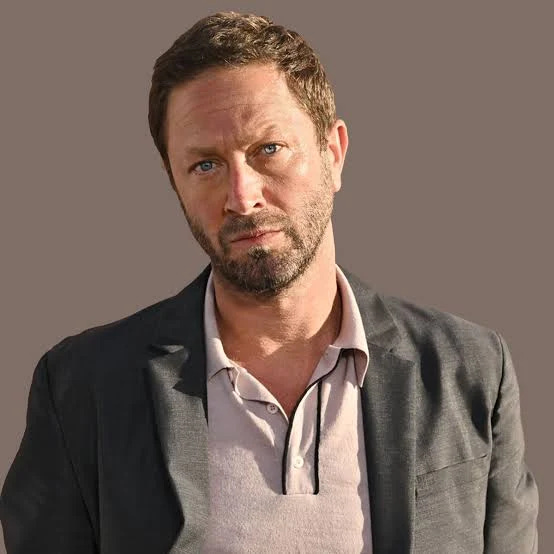
These types of connections are pretty common and start happening the more you pay attention. Once you are aware of something suddenly it appears everywhere, but that’s only because you’ve been woken up.
One idea to take advantage of this is to make an inspiration notebook across all fields — writing, music, art, etc.. This is once again a version of my old app Taste which was essentially impossible without AI and is now nullified by it — I may still try to make it as my first vibe-coding project though that will have to wait a few months until I can get the proper setup.
This way you can keep track in real time of what you are interested in and where that bleeds into other parts of your life. Trust me if you’ve never experienced this yourself; if you’re reading a book, suddenly things from it will pop out in real life. Same goes for series, or other topics of interest. I can’t stop seeing birds and I’m barely perched on the tip of the iceberg in that world.
Your inward attention guides your outward attention. Basically: keep your eye on the ball.

Here are some related articles, and I’m being generous with the word relevant…


^more relevant than you’d think by the title

^This one is more of a stretch. On its surface, it’s a recipe but it hits on a few things. One, simplicity can deliver when given time and the process is trusted. Two, clean inputs are less likely to cause problems and don’t limit the output’s quality. More variables require more skill to balance. Perhaps the most telling of “skill” as society thinks of it is that it’s the ability to handle more variables at once. So beginners often try to scale up their variables equating complexity with skill. But the outcome is more important. This is where an expert can choose the variables — quality and cohesion for a specific output rather than not screwing up something complex. High skill is hitting whatever target is asked of you. Extreme skill is creating your own targets and then hitting those.


I’ll stop here because I’m overloading you and this newsletter. They’re worthwhile reads, you don’t necessarily need to read them all at once. Come and go to this newsletter this week.
Now, go rest your brain :)